
Constipation – A Widespread Problem
Who doesn’t know this annoying ailment? If your digestive tract also causes you problems now and then: you are not alone! According to a study, approximately 20% of the German population occasionally suffers from constipation (obstipation). The majority of these are women.
Good Digestion is Quality of Life
Since chronic constipation, in particular, can significantly impair quality of life, we have highlighted the most important facts about obstipation for you and hope that our following facts and tips for prevention can help you achieve better gut health.

Not a Question of Age
Although constipation can occur at any age, the proportion of affected individuals increases with age. The good news: in most cases, there is no underlying illness. Rather, it is a symptom that can have many causes.
When is it considered constipation?
Anything in the range of bowel movements between three times a day and three times a week is considered normal in medicine. However, this definition is not always clear in practice, as some people may feel “constipated” even if they have bowel movements three or more times a week, but these are very hard and/or painful.
Mindfulness is Helpful
Keeping a “stool diary” over a longer period helps you determine if you might be suffering from chronic constipation.

The Most Common Symptoms of Constipation
- Difficult bowel movements (sometimes only possible with straining)
- Painful bowel movements
- Often hard or lumpy stools
- Only small amounts of stool are excreted
- Feeling of incomplete bowel evacuation
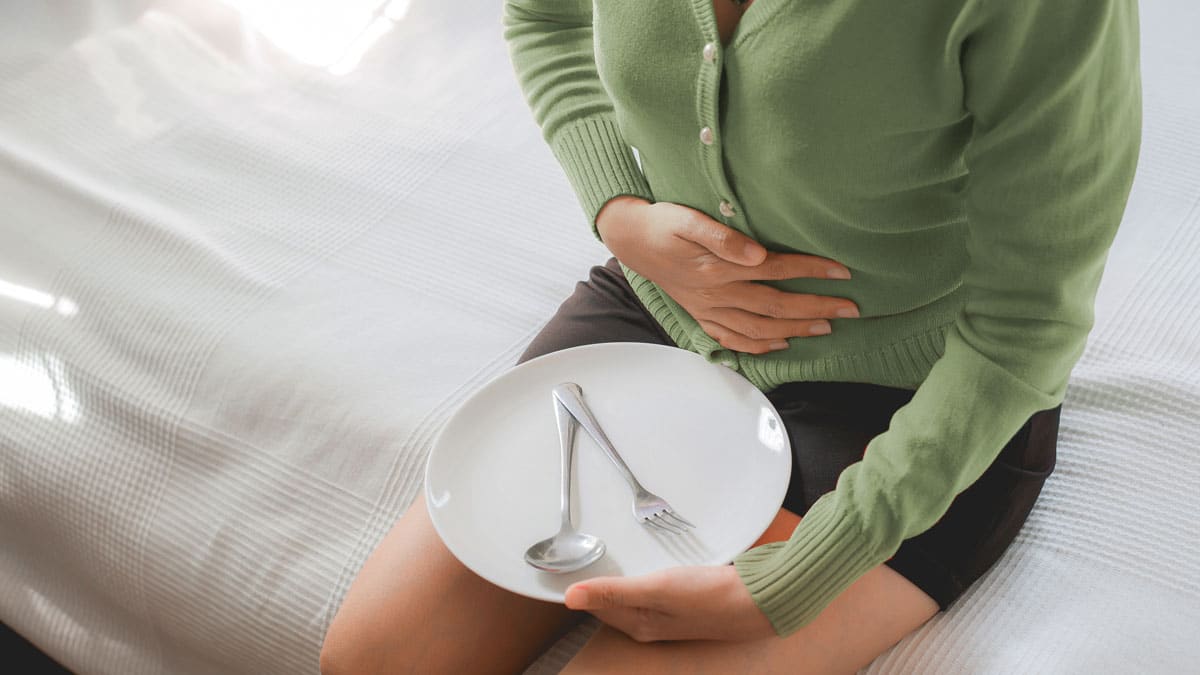
- Feeling of fullness and/or abdominal pain
- Bloating or distended abdomen
Causes of Constipation
Once is Not Always
Occasionally occurring constipation usually has harmless causes. A common form is travel constipation, as the normal daily routine changes or a change in diet and time dictates the new rhythm.
Stress, Hectic Pace, and Hormone Balance
However, increased stress levels, a low-fiber diet, or too little exercise can also cause situational constipation. Sometimes other diseases such as diabetes or hormonal disorders, e.g., an underactive thyroid, can be triggers for obstipation.

Acute or Chronic Constipation?
In contrast to temporary obstipation, permanently occurring constipation can be very distressing for those affected. If problems with bowel movements occur for at least 3 months within a six-month period, it is referred to as functional chronic constipation. This is a problem that affects about a quarter of people over 60 in Germany. Consequences due to difficult bowel movements can include hemorrhoids, anal fissures, or incontinence.
The 3 Categories of Chronic Constipation
1. Functional Constipation
Although the causes of this most common type of constipation are often unclear, pathological changes in the intestine can almost always be ruled out. Often, excessive stress or suppressed bowel habits are causes of functional obstipation. Here, it is primarily important to rethink one’s lifestyle and change it in a positive direction.
Furthermore, people with irritable bowel syndrome often suffer from functional constipation. The triggers for an irritable bowel can also be stress or a previous gastrointestinal infection.
2. Colonic or Slow-Transit Constipation
If obstipation occurs due to a lack of bowel motility, it is called colonic constipation: here, the intestinal contents are moved forward only slowly, resulting in hard and firm stools that can usually only be passed with pain. Sometimes this type is triggered by taking medications, as is the case with iron- and calcium-containing preparations, antidepressants, or medications for high blood pressure.
However, a lack of exercise and/or an unhealthy diet can also be reasons for colonic constipation.
3. Anorectal Constipation
Changes in the rectum or anus, such as hemorrhoids, anal eczema, or anal fissures, can lead to disturbances in bowel movements. In this type, it is not always easy for medical professionals to assess whether a pathological change led to constipation or vice versa. In practice, mixed forms of colonic and anorectal constipation are common.
Since even small inflammations or irritations in the extremely sensitive anal area are enough to trigger disturbed bowel movements, affected individuals should not hesitate to seek medical advice as soon as possible due to false shame.
Optimal Diet for Sluggish Bowels
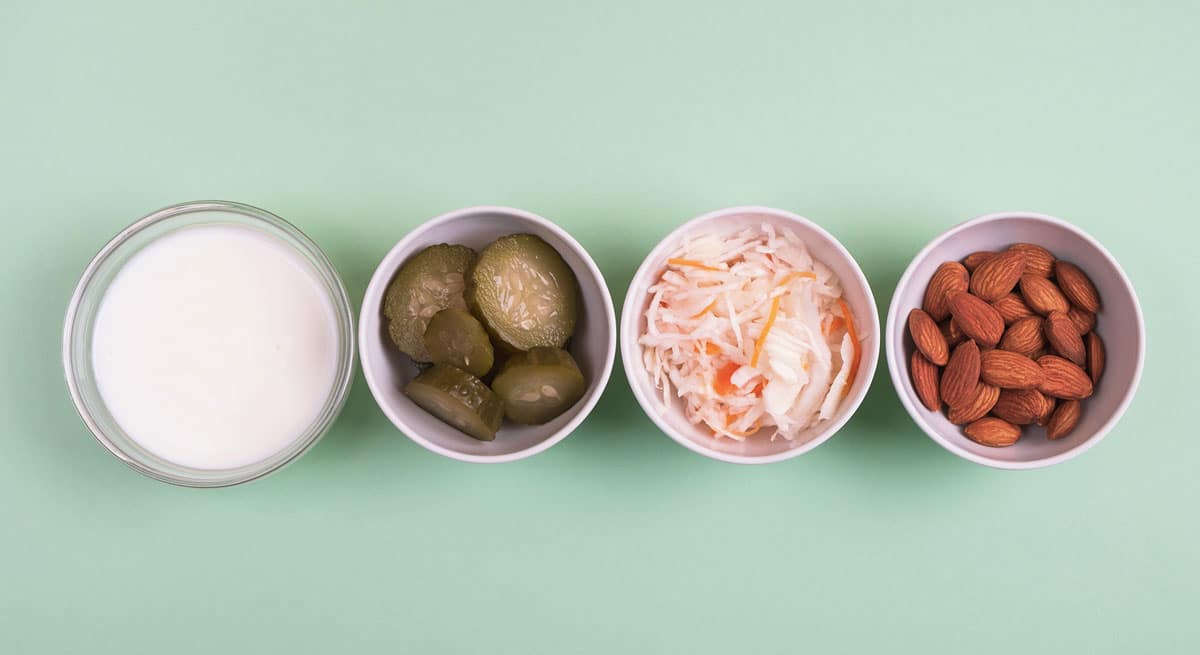
With a high-fiber diet including whole-grain products, fruits, vegetables, and legumes, you can get your bowels moving. Probiotic foods have a particularly positive effect on your gut flora. The lactic acid bacteria they contain are especially helpful for digestive problems and constipation.

Probiotic foods found in almost every household:
- Yogurt, kefir, and other fermented milk products
- Sour pickles or brined pickles
- Sauerkraut and sauerkraut juice
- Flaxseed and psyllium husks
- Apple cider vinegar
- Various cheeses such as Gouda, mozzarella, and cheddar
For living lactic acid bacteria to spread long-term in the gut flora, you must include probiotic foods regularly in larger quantities in your diet. Soaked prunes, a handful of nuts daily, or sunflower and pumpkin seeds sprinkled over salad also help sluggish bowels get moving.
And last but not least, sufficient fluid intake of about 1.5 liters of water and moderate exercise are proven remedies to relieve or prevent constipation.
Our tip: Drink a glass of water immediately after waking up on an empty stomach to stimulate your digestion.
Foods to Avoid with Chronic Constipation
If you tend to suffer from obstipation, you should pay attention to a diet that contains little starch and sugar, as too many carbohydrates slow down the digestive process. “Constipating” foods include:
- Unripe bananas
- White flour products such as rolls, bread made from refined flour, cakes, or salted crackers
- Diuretic herbal teas and black tea
- Fast food
- Chocolate
Since the digestive process begins in the mouth, you should chew slowly and thoroughly. Just as important as the right diet and sufficient fluid intake is regular exercise and physical activity. If you heed these essential points, you will have done a lot for healthy digestion and your well-being.
| Recommended Foods | Less Recommended Food Products | |
|---|---|---|
| Drinks (approx. 1.5 to 2.5 liters per day) | Water, unsweetened tea, coffee depending on personal disposition (sometimes too much coffee can promote constipation). | Sugared fruit juices and soft drinks, sodas with artificial sweeteners, black tea, and cocoa. |
| Fats and Oils (approx. 2 to 3 tablespoons per day) | Unsaturated fatty acids in vegetable oils such as walnut, linseed, or olive oil. Butter. | Animal fats such as pork and goose lard. Clarified butter, palm fat, mayonnaise, as well as sunflower and thistle oil. |
| Bread, Grains & Side Dishes like Pasta, Potatoes, and Rice | Whole-grain pastries and products made from whole grains in moderation. Barley, spelt, and rye. Oat and spelt flakes. Unsweetened muesli. Whole-wheat pasta and brown rice, as well as boiled potatoes. | White bread, toast, rusks, wheat and milk rolls. Durum wheat pasta, peeled rice, fries, croquettes, potato pancakes and mashed potatoes. Ready meals and fast food. Salted and savory snacks, as well as sweets. |
| Nuts and Seeds (A good handful or approx. 40 g daily) | Walnuts and hazelnuts. Almonds, cashew, and macadamia nuts. Pine, pumpkin, and sunflower seeds. Flaxseed and psyllium husks. | Peanuts and salted nuts. |
| Vegetables (3 to 5 servings per day) | All types of vegetables. However, coarser structured vegetables such as peas, cabbage, sauerkraut, broccoli, or leeks and bell peppers contain more digestion-promoting fiber than fine leafy vegetables. | Avoid onions and radishes. |
| Lactic Acid Bacteria (Probiotics) | Yogurt, kefir, buttermilk, or whey. Lactic acid-containing vegetables like sauerkraut. | Sweet dairy products. |
| Fruit | Apples, apricots, peaches, nectarines, sour cherries, and plums. Strawberries, as well as raspberries, blackberries, gooseberries, and currants. Citrus fruits such as grapefruits, clementines, and oranges. Tropical fruits such as papayas and kiwis. | Unripe bananas, as well as sugared canned fruits, raisins, and candied dried fruits. In moderation: grapes, pears, cherries, honeydew melons, and tropical fruits such as pineapple, mangoes, and persimmons. |
| Meat & Sausage (2 to 3 times per week. A total of no more than 200 – 250 g) | Chicken and turkey meat, pork tenderloin, pork loin, and beef tenderloin. Cooked and smoked ham, as well as Kassler (cured pork loin). | Breaded meat. Fatty sausages such as Weisswurst, salami, or mortadella are only recommended in small amounts. |

Seek Relief Early
Initially, most affected individuals resort to self-help in the form of common laxatives. Contrary to popular belief, laxatives are not addictive when taken correctly. However, taking laxatives over a longer period can be counterproductive, as the bowel may unlearn how to react to natural stimuli.
When to See a Doctor
If a digestive problem persists for several weeks or your bowel habits suddenly change, you should consult your doctor. Also, in cases of acute constipation with abdominal cramps or other symptoms such as fever, you should seek medical help immediately.

Gentle Alternatives to Relieve Constipation
If stubborn constipation does not resolve despite dietary changes, the active ingredient Macrogol can be a gentle alternative. This synthetic substance transports water into the intestine, thus softening the stool. This reliably and naturally stimulates bowel activity. Macrogol has proven positive for longer-term use, as no habituation effects are caused.
How Roleca® Macrogol Works
Non-Dehydrating and with Additional Electrolytes
Unlike traditional laxatives, Macrogol does not withdraw fluid from the body. The white powder is additionally enriched with electrolytes and is mixed with a certain amount of water to form a drinking solution. Thanks to its high water-binding capacity, similar to that of a sponge, Macrogol naturally and reliably stimulates bowel activity.
The Active Ingredient Macrogol is Not Absorbed by the Body
Since the active ingredient is not metabolized by the organism, Macrogol works purely physically and does not lead to any habituation. Therefore, Macrogol can be taken safely for several weeks, even in cases of chronic constipation.
Gentle Effect with Low Dosage
Another advantage of the active ingredient Macrogol is that its effect does not start abruptly. It only begins when Macrogol has reached the large intestine, which can take one to two days. Very often, the goal of a daily bowel movement can be achieved even with a low dosage.
You can find more information about the mode of action and correct dosage of our proactive laxative Macrogol here:
We are happy to take care of your digestion and gut health. Dedicate your thoughts back to the beautiful things in life and stay healthy!
Here you can find which Roleca® products can help you.
You can order Roleca® products directly online here!
Learn more about the following topics

This post is also available in:
Kontakt

Roleca Pharma GmbH
Georgstraße 38
D-30159 Hannover
T: +49 511 5151 680
info@roleca.com
Melden Sie sich zu unserem Newsletter an, um auf dem Laufenden zu bleiben

