
Flatulence – Symptoms, Causes, and Herbal Treatment
Flatulence, also known as gas, is a common gastrointestinal disorder caused by gas in the intestines. It occurs in people of all age groups.
It can lead to an uncomfortable bloating, pain, and cramps. Flatulence is a widespread problem and can be caused by a variety of factors.
For successful treatment and relief, it is important to understand the underlying causes of gas formation.
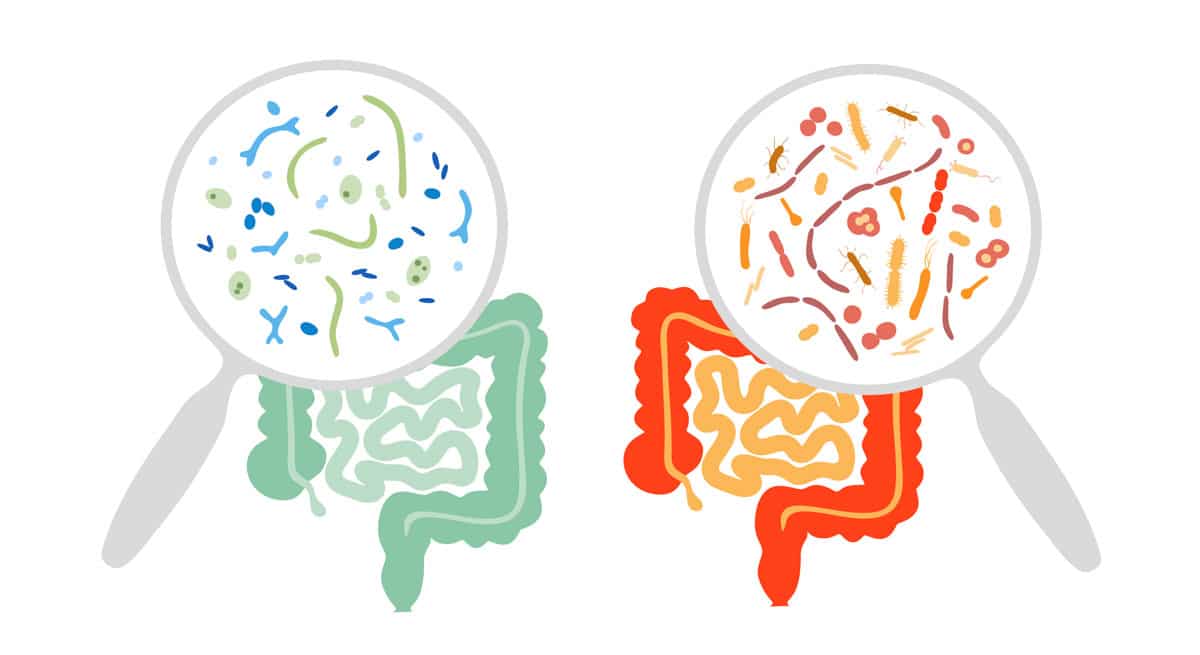
How flatulence develops
Gas production in the intestine is primarily due to the breakdown of food by intestinal bacteria. Foods that are incompletely digested in the small intestine—such as lactose, fructose, sorbitol, legumes, fiber, and complex carbohydrates (e.g., wheat)—are then broken down in the large intestine.
In addition, there are other sources of air in the gastrointestinal tract, such as swallowed air.
Healthy people generally cope well with intestinal gases, as they can efficiently transport and eliminate them.
For patients suffering from flatulence that affects their quality of life, there are a number of home remedies and treatment options available.
Common causes of flatulence
Food intolerances
Flatulence can be caused by various factors. One of the most common causes is food intolerances and allergies. Some people have difficulty digesting certain foods, which can lead to an increased accumulation of gas in the intestine. The most common food intolerances include lactose intolerance and gluten intolerance.

Chronic intestinal inflammation and irritable bowel syndrome
Digestive disorders such as irritable bowel syndrome (IBS) or inflammatory bowel diseases such as Crohn’s disease can also lead to flatulence. Irritable bowel syndrome is a common condition affecting the intestines that causes symptoms such as cramping, diarrhea, and constipation. Crohn’s disease is a chronic inflammation of the digestive tract that can cause abdominal pain, diarrhea, and other symptoms. Both conditions can lead to increased gas formation in the intestine.
Stress and anxiety
Stress and anxiety can also cause air to accumulate in the intestine and lead to flatulence. When we are stressed or anxious, our body produces higher levels of hormones like adrenaline, which can impair digestion. This can cause significant amounts of gas to accumulate in the intestine, leading to flatulence.

What you can do about flatulence
Monitor your digestion
Even though flatulence can have many causes, in many cases simple measures such as changing dietary habits and increasing physical activity are helpful. A food diary can help identify connections between symptoms and specific foods.
Conscious nutrition
The role of dietary changes in the treatment of flatulence is of crucial importance and is usually included in the treatment plan at an early stage. The main aspect of nutritional therapy is to identify the foods that the patient does not tolerate, thereby reducing excessive fermentation of food in the digestive tract. Initially, an empirical restriction of lactose and other poorly absorbed carbohydrates can be implemented. Alternatively, sufferers may be offered a low-FODMAP (fermentable oligosaccharides, disaccharides, monosaccharides, and polyols) diet and other elimination diets.
- The fiber found in plant-based foods is important for regular bowel movements and prevents constipation, which can lead to flatulence.
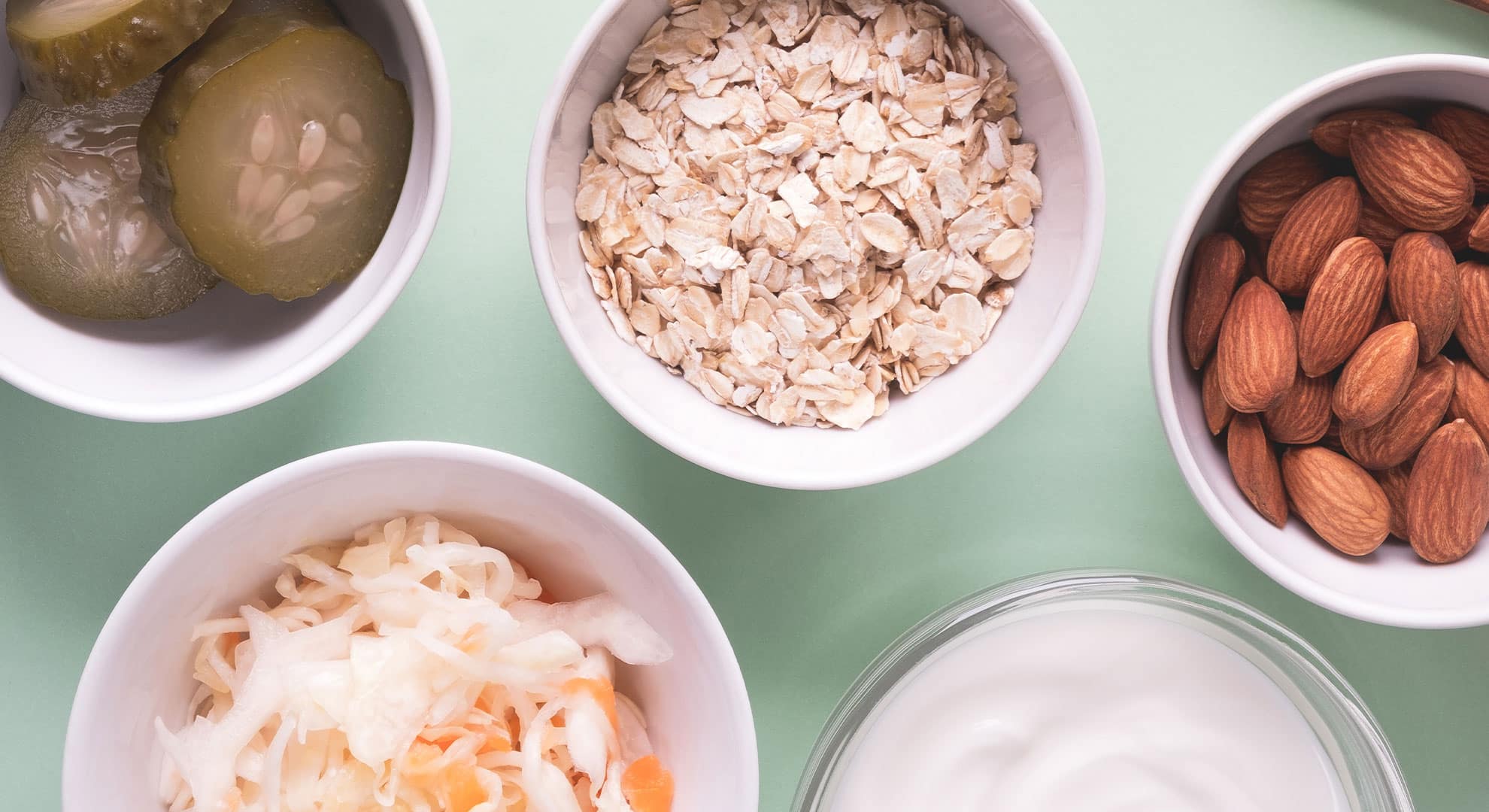
- Probiotics are live bacteria and yeasts found in the gastrointestinal tract that experts associate with a variety of health benefits. Probiotics are also found in certain foods and supplements, such as natural yogurt, sauerkraut, and kefir.
- Ginger is a home remedy for several gastrointestinal complaints, including gas in the abdomen.
Foods with a high proportion of FODMAPs include:
- Fruits such as apples, pears, peaches, mangoes, cherries, canned fruit (if packed in juice), and dried fruit (in large quantities)
- Vegetables such as onions, garlic, beets, broccoli, cabbage, asparagus, mushrooms, and Brussels sprouts
- Dairy products such as milk, yogurt, ice cream, and soft cheese
- Grains such as wheat and rye, especially in large quantities
- Legumes such as chickpeas and lentils
- Sweeteners such as fructose, high-fructose corn syrup, sorbitol, mannitol, and honey
- Carbonated beverages can worsen flatulence and bloating. Sufferers should try to avoid these drinks to see if their symptoms improve. Similarly, any drink with added sugar or even fruit juice can ferment in the intestine and cause excessive gas.
| beneficial nutrition | foods to avoid |
|---|---|
| fiber | FODMAP foods |
| probiotics | carbonated beverages |
| ginger, mint, rosemary, oregano, caraway, juniper, … | highly processed and high-sugar foods |

Exercise and posture
In a study of patients with flatulence, it was found that physical exercise (e.g., on a stationary bike) improved gas elimination in the intestine and reduced symptoms of flatulence.
Since gas retention is worse in the supine position than in an upright position, patients should be encouraged to move and minimize lying down during the day to reduce symptoms of flatulence.

Tips for prevention
If you regularly suffer from flatulence, there are some simple lifestyle changes that can help avoid it.
Here are some tips:
Avoid gas-producing foods
Some foods are known to cause gas, especially those that are difficult to digest. These include legumes such as beans, lentils, and peas, cruciferous vegetables such as broccoli, cauliflower, and cabbage, as well as certain types of fruit like apples and pears. Carbonated beverages and artificially sweetened foods can also cause flatulence. If you suffer from gas, it is best to avoid these foods or consume them in moderation.
Eating slower and chewing thoroughly
Eating quickly and not chewing sufficiently can lead to flatulence. When you eat too fast, you swallow air that can accumulate in the intestine and cause gas. By eating more slowly and chewing your food more thoroughly, you can reduce flatulence. A relaxed and quiet meal environment can also help you eat more slowly and chew better.
Stress management and relaxation exercises
Stress and anxiety can also cause flatulence. When you are under stress, your body produces more hormones like cortisol, which can slow down digestion and cause gas. Relaxation exercises such as yoga, meditation, and breathing exercises can help reduce stress and improve digestion. Regular physical activity such as walking, running, or cycling can also help reduce stress and flatulence.
How does juniper oil work for flatulence?
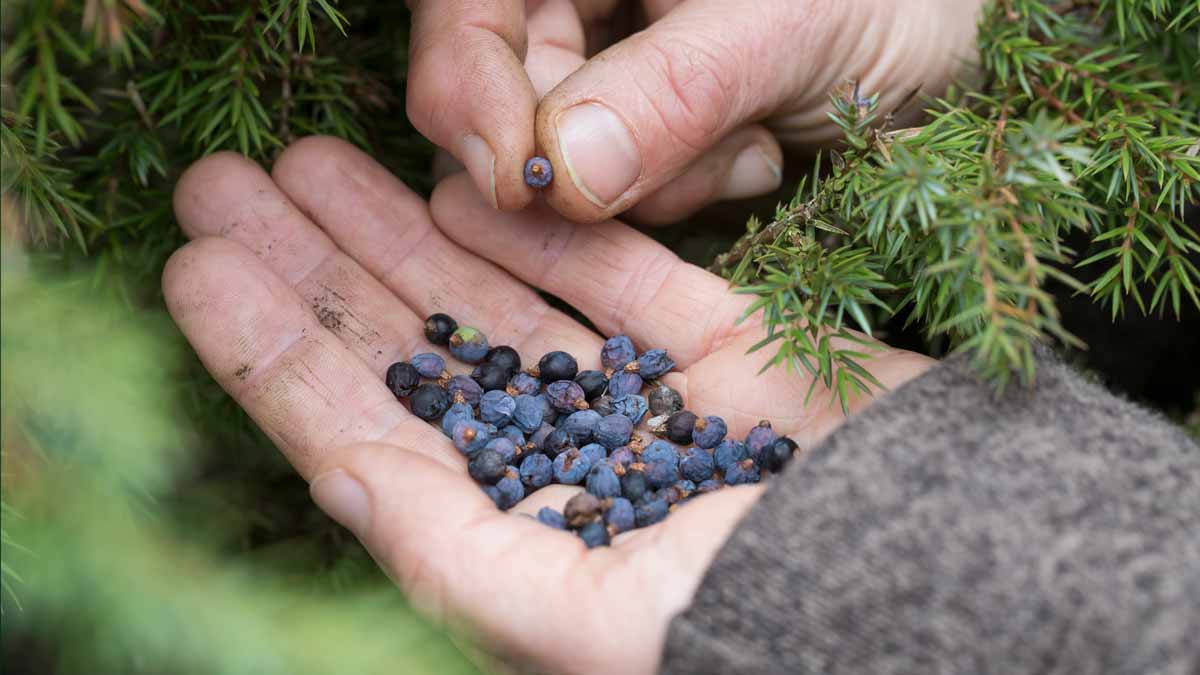
Juniper oil has a variety of effects that can be helpful in treating flatulence. It has anti-inflammatory and antispasmodic effects on the muscles of the digestive tract, which can help reduce these abdominal complaints. Furthermore, juniper oil also has a digestive effect, as it stimulates the production of digestive enzymes and increases intestinal motility.
Another important effect of juniper oil is its ability to exert an anti-inflammatory effect on the intestinal mucosa. This can help reduce symptoms caused by inflammation, such as pain and bloating.

What Roleca Juniper can do for your well-being:
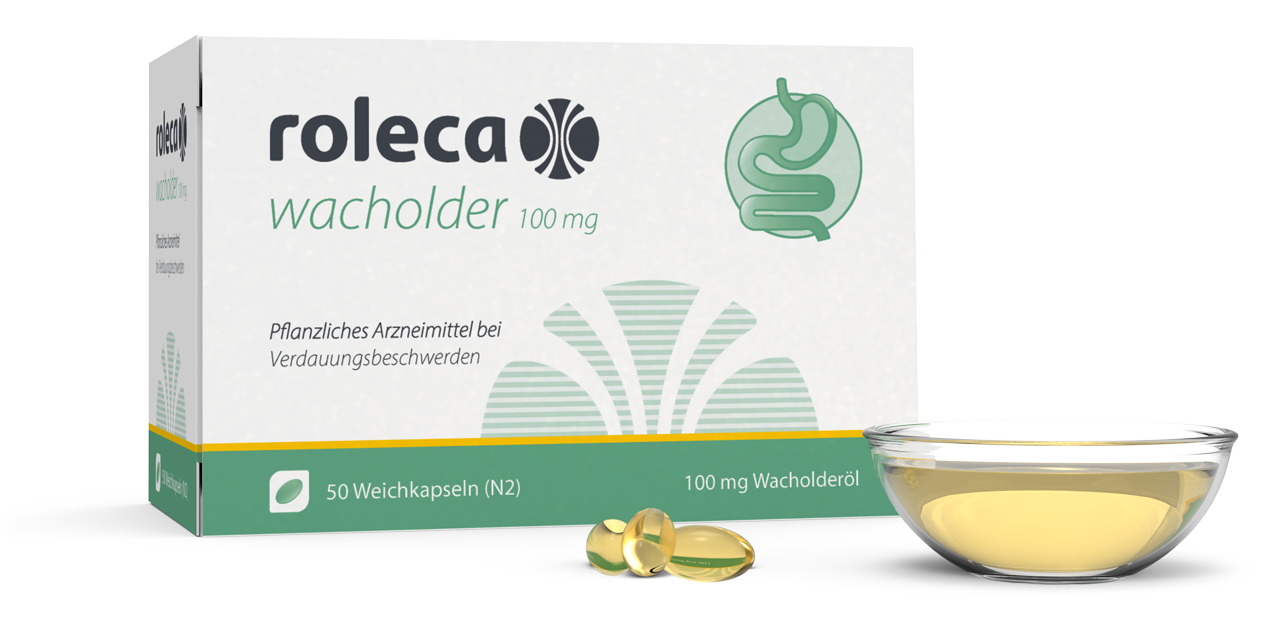
We at Roleca Pharma also harness the healing power of juniper berries. As the only juniper oil medicine in Germany, we have specifically developed Roleca Juniper to relieve gastrointestinal discomfort.
This is a purely herbal product that is effective with a dose of just one capsule per day. The medicine can be taken for both acute and chronic abdominal pain. Roleca Juniper is particularly recommended for abdominal cramps, bloating, and a feeling of fullness due to its antispasmodic effect.
Find out more about Roleca® Juniper here.
You can order Roleca® products directly online here!
Juniper oil for
digestive complaints
Learn more about the following topics


This post is also available in:
Kontakt

Roleca Pharma GmbH
Georgstraße 38
D-30159 Hannover
T: +49 511 5151 680
info@roleca.com
Melden Sie sich zu unserem Newsletter an, um auf dem Laufenden zu bleiben

