Smoking and Heartburn: A Burning Problem
We know that smoking increases the risk of lung cancer, heart disease, and a range of serious health problems. However, what is less known is the close link between smoking and gastrointestinal complaints, especially heartburn. This article highlights the connection between smoking and heartburn, explains the mechanisms behind this link, and outlines ways you can reduce the risk.
The Interaction Between Smoking and Digestion
Inhaling tobacco smoke does not only affect the lungs; it also has direct effects on the digestive system. The chemicals contained in tobacco smoke can disrupt the normal function of the digestive tract by raising the pH level of the intestinal environment and causing inflammation, thereby contributing to various other conditions.
The Direct Effects of Smoking on the Stomach
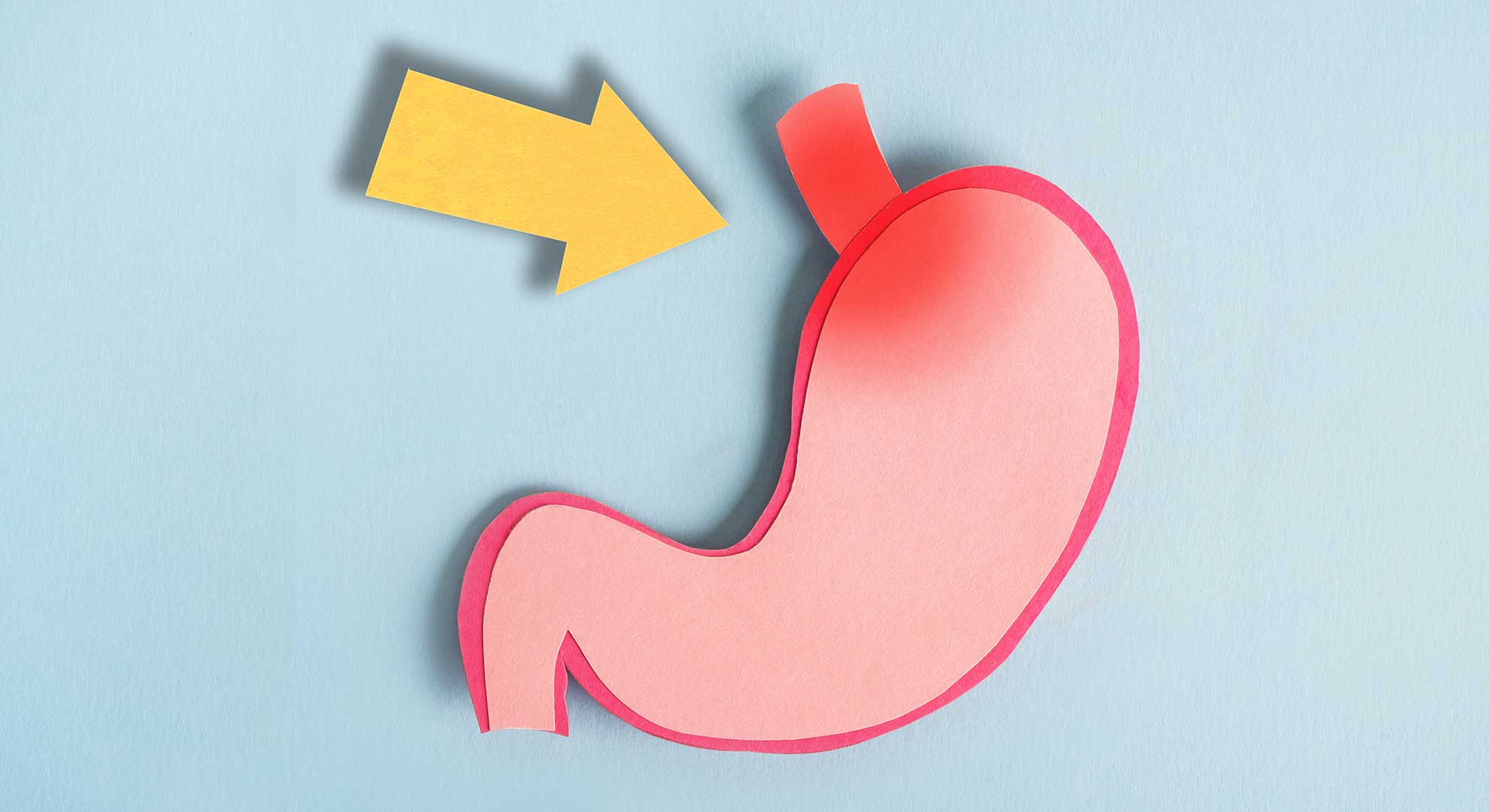
One of the main components of tobacco smoke is nicotine. Nicotine can stimulate the production of stomach acid. Excess stomach acid can lead to gastric ulcers, gallstones, and an increased risk of Crohn’s disease. Furthermore, the acid can flow back into the esophagus more easily and cause irritation—this is the typical burning sensation we know as heartburn. But that is not the only reason why smoking promotes heartburn.
The Influence of Smoking on the Lower Esophageal Sphincter
The lower esophageal sphincter (LES) is a ring of muscle at the junction between the esophagus and the stomach. It acts like a valve and prevents stomach contents and stomach acid from flowing back into the esophagus. Nicotine, as found in tobacco smoke, can relax this sphincter. A weakened or irregularly functioning LES can allow stomach acid to flow back into the esophagus more easily, increasing the risk and severity of heartburn.
Impaired Regeneration of Mucous Membranes Due to Smoking
The mucous membranes of our digestive tract are designed to regularly regenerate and renew themselves. However, smoking can disrupt this renewal process by impairing prostaglandin synthesis, blood flow, mucus secretion, and the secretion of epidermal growth factor. A weakened or damaged mucous membrane in the esophagus is more susceptible to the aggressive effects of stomach acid, which in turn can worsen heartburn.
Other Aspects of Smoking That Affect Heartburn
Smoking does not only directly affect the stomach and esophagus. It can also impair the motility of the digestive tract, which can cause food to move more slowly through the stomach. A “congested” stomach can lead to a buildup of pressure, which in turn promotes the reflux of stomach acid into the esophagus.
Connection Between Smoking and Other Gastrointestinal Diseases
Heartburn is just one of many gastrointestinal problems that can be caused or worsened by smoking. Smokers have an increased risk of gastric ulcers, stomach cancer, Crohn’s disease, and many other digestive diseases.
Reducing the Risk
The most obvious and effective method for reducing heartburn caused by smoking is to quit smoking. Smoking cessation can not only reduce the risk of heartburn but also provide many other health benefits.
However, it is no secret that quitting smoking is not easy. If it is not possible to quit smoking immediately, certain behavioral changes can also help minimize the risk of heartburn:
- Refrain from smoking after eating: This can help prevent the reflux of stomach acid.
- Avoid foods that trigger heartburn: These include spicy foods, citrus fruits, coffee, and alcohol.
- Smaller meals: Instead of eating a few large meals, several small meals spread throughout the day can help reduce pressure in the stomach.
- Elevate your head while sleeping: This can prevent stomach acid from flowing back into the esophagus.
Conclusion
The link between smoking and heartburn is just one example of how tobacco use can negatively affect your body and have far-reaching consequences for your health. In addition to the lungs, several important organ systems are affected, including the digestive system.
For those who suffer from heartburn and smoke, quitting tobacco use can mean a significant difference in quality of life. It is never too late to make positive changes for your own health, and giving up tobacco is an important step in the right direction.
Further information on the effects of smoking, as well as links to resources that can help you quit smoking, can be found here:
Learn more about the following topics



This post is also available in:
Kontakt

Roleca Pharma GmbH
Georgstraße 38
D-30159 Hannover
T: +49 511 5151 680
info@roleca.com
Melden Sie sich zu unserem Newsletter an, um auf dem Laufenden zu bleiben

