Acid Blockers and Their Interaction with Heartburn
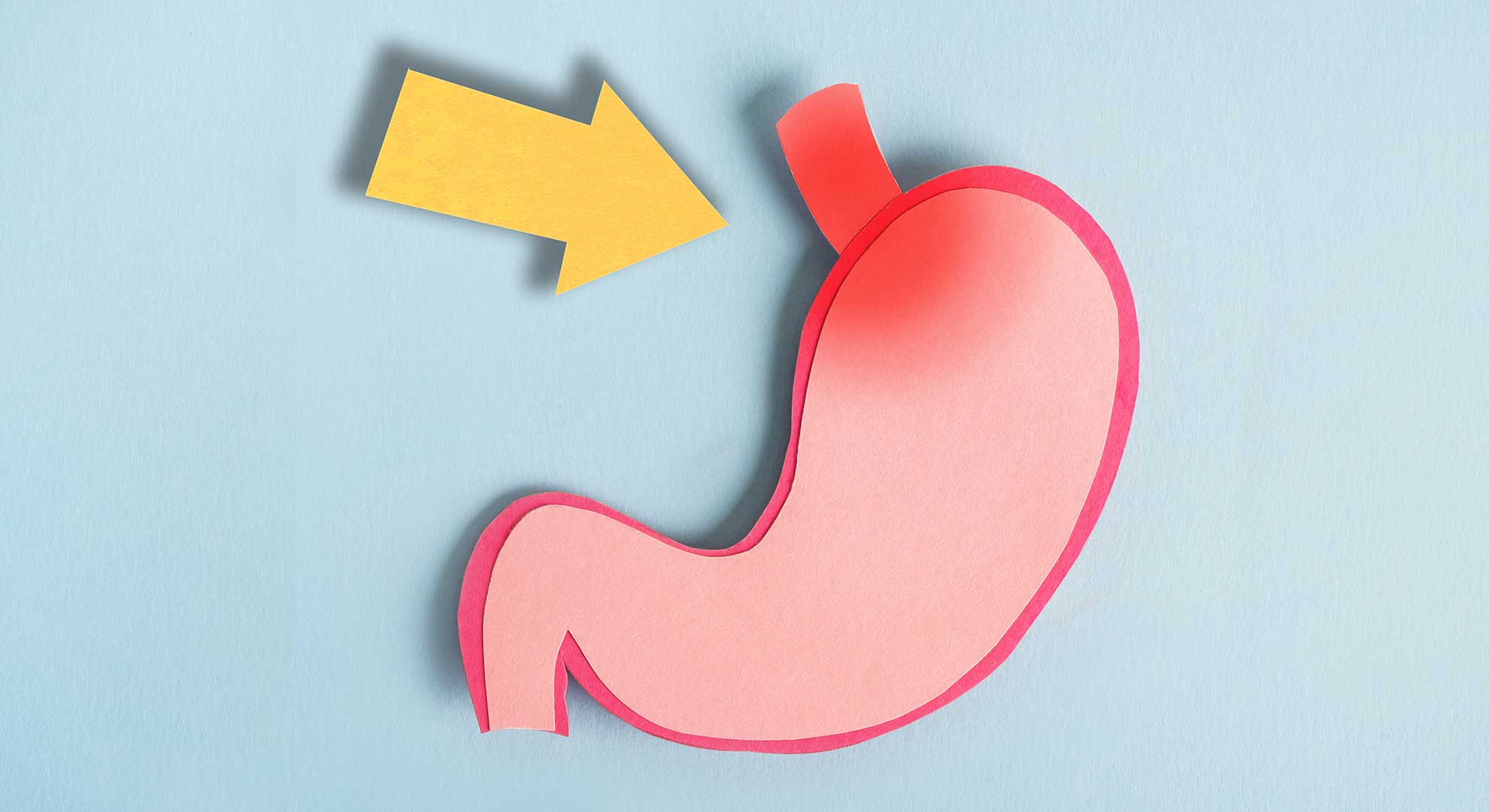
Colloquially known as acid blockers, proton pump inhibitors (PPIs), as the name suggests, are medications that work by inhibiting the proton pump.
By lowering stomach acid levels, PPIs are used to treat frequent heartburn and more severe, acid-related conditions. PPIs deactivate the pumps in the stomach that produce excess acid, thus acting as acid blockers.
Dependence on PPIs
A particularly critical aspect that has received increased public attention in recent years is the potential dependence on PPIs (proton pump inhibitors). It is important to distinguish between physical dependence and a true “addiction.” With PPIs, it is a so-called “rebound” phenomenon, which is also observed when PPI medication is abruptly discontinued.
The Rebound Phenomenon
When people take PPIs for an extended period and then suddenly stop, they may experience increased acid production—an effect known as “rebound hypersecretion.” This means that for a certain time after discontinuing the medication, the stomach produces more acid than before the PPI therapy began. This can cause symptoms of heartburn or acid reflux to temporarily worsen. For the affected individual, it may seem as if the body is “craving” the medication, although it is actually just a temporary overreaction of the stomach. This was particularly demonstrated in a 2009 study conducted at the University of Copenhagen. Participants who had not previously suffered from acid reflux (heartburn, indigestion, and acid regurgitation) received prescription PPI medications for two months. After discontinuing the medication, these otherwise healthy adult patients began to develop acid reflux symptoms—and ultimately produced even more stomach acid than before. Researchers found that the “rebound” effect can last for up to three months.
Possible Solutions
- Instead of abruptly stopping PPIs, it can be helpful to gradually reduce the dose. This gives the body an opportunity to slowly adapt to the altered acid production, minimizing the risk of a rebound.
- Switching to so-called H2 blockers, another class of acid suppressants, can serve as a transitional solution in some cases. They are not as strong as acid blockers (PPIs), but can offer some relief and facilitate the transition.
- It is important for doctors to inform their patients about the potential rebound phenomenon and support them in deciding whether to discontinue or continue using acid blockers (PPIs) long-term.
Important Message
Concerns about medication dependence on PPIs should not deter people from using these medications when needed and recommended by a doctor. However, it is important to be aware of potential long-term effects and to create a plan with a doctor if discontinuing the medication is being considered.
Overall, despite concerns, PPIs offer many benefits and have improved the lives of many people with severe heartburn and other acid-related complaints. However, responsible and informed use is essential to ensure that the benefits outweigh the potential risks.
Learn more about the following topics



This post is also available in:
Kontakt

Roleca Pharma GmbH
Georgstraße 38
D-30159 Hannover
T: +49 511 5151 680
info@roleca.com
Melden Sie sich zu unserem Newsletter an, um auf dem Laufenden zu bleiben

